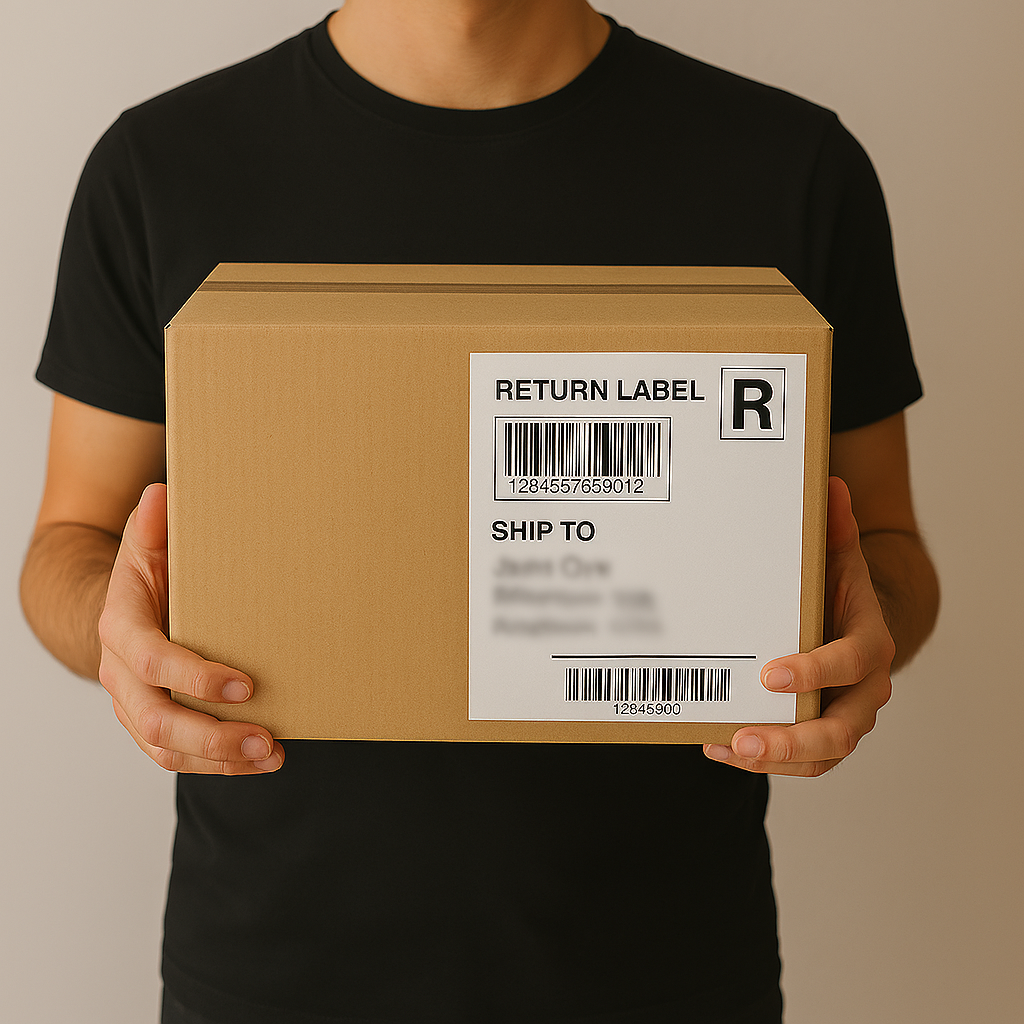
Returning for Profit: Protect Your Margins with Return Fees
In today’s ecommerce landscape, returns have surged to historic levels. Fashion and apparel in particular see the highest return rates. Nearly 38% of online shoppers report returning clothing or accessories each year. In fact, over 17% of all online purchases are returned. Processing those returns is expensive: shipping costs, inspection, repackaging and labor can heavily cut into profits. One estimate finds a $100 product might cost the retailer $32 just to process its return. As a result, many brands are exploring returned item fees (also known as restocking fees) to recover these costs and protect their margins.
What Are Returned Item Fees?
A returned item fee is a charge assessed when a customer mails back an online purchase. It helps cover the various costs of reverse logistics — including return shipping, repackaging, quality inspection, and warehouse handling. These fees are generally only applied in cases where the return isn’t due to a product defect or shipping damage. For example, if a shopper sends back a dress because they didn’t like the fit, a return fee might be appropriate.
Fees often vary depending on the product type. It may cost just a few euros to return a pair of earrings, but significantly more to ship and process a handbag or winter coat.
Should Your Brand Charge a Return Fee?
It’s true that shoppers love free returns—flexible return policies build trust and boost conversions. But covering all return costs has become unsustainable for many retailers. That’s why more brands are introducing strategic return fees. In fact, 81% of retailers started charging for at least one return method in 2023, according to a Happy Returns study.
Charging a fee doesn’t have to come at the cost of customer loyalty. By offering customers more value in alternative ways — such as flexible exchanges or store credit — you can still provide a positive returns experience. For example, many customers will happily accept an exchange or bonus credit if it means avoiding a return fee.
Alternatives to Return Fees
Before adding fees, consider these customer-friendly options:
1. Buy Online, Return In-Store (BORIS)
If your brand has physical locations, offer free in-store returns and charge a shipping fee only for mail returns. This eliminates transport costs and allows faster restocking. It also helps convert returns into store visits and additional sales.
2. Returnless Refunds
For low-value items that aren’t cost-effective to resell, consider issuing refunds without requiring the item to be shipped back. Encourage customers to keep, gift, or donate the item. This approach can save more than it costs, especially for products under €20.
3. Encourage Store Credit or Exchanges
Instead of charging a fee outright, incentivize exchanges or store credit by waiving the return fee for those options. Customers keep their value with your brand, and you reduce refund losses.
Using Technology to Protect Margins
A returns platform like yayloh enables brands to apply strategic return rules based on product category, return reason, or customer profile. You can waive fees on damaged items, set custom conditions for certain collections, and offer free returns only on high-value orders or exchanges.
yayloh also helps:
- Reduce support time through automation
- Monitor which products are frequently returned
- Provide clear customer communication throughout the return process
The result? A seamless return experience for the customer, and better control over your return costs. For example, brands using yayloh retain more revenue from returns by converting more refunds into exchanges.
Final Thoughts
Return fees are no longer taboo — they’re a reality of modern ecommerce. But they don’t need to damage customer relationships. With the right policies, flexibility, and smart tech like yayloh, you can protect your profit margins and delight your customers. Whether through store credit incentives, returnless refunds, or dynamic return conditions, you have options to build a return strategy that works for both your business and your buyers.
Ready to protect your margins and modernise your return strategy?
Calculate your ROI with yayloh and Book a demo today to see how we can help.
.svg)


.png)